
I reread a product page for "eco-friendly" sneakers three times last week, trying to find what, exactly, made them eco-friendly. One bold word, a little green leaf icon, and nothing else. No percentage, no certification, no method behind it. Nothing.
Starting September 27, 2026, that kind of product page becomes illegal across the European Union.
What the directive actually changes
The EU's "Empowering Consumers for the Green Transition" directive, being transposed into national law since earlier this year, comes into full effect at the end of September. It bans generic, unproven environmental claims — "eco," "green," "planet-friendly" — whenever they aren't backed by a certification or verifiable evidence. It also bans highlighting a real but insignificant environmental benefit to distract from the rest of the product (the classic example: touting "plastic-free packaging" on an item whose manufacturing itself is heavily polluting). Greenwashing officially becomes an unfair commercial practice, with tighter enforcement and real penalties attached.
In short: after this date, a brand can no longer get away with one word and a pictogram. It has to prove it.
Why this actually works in our favor — with an honest catch
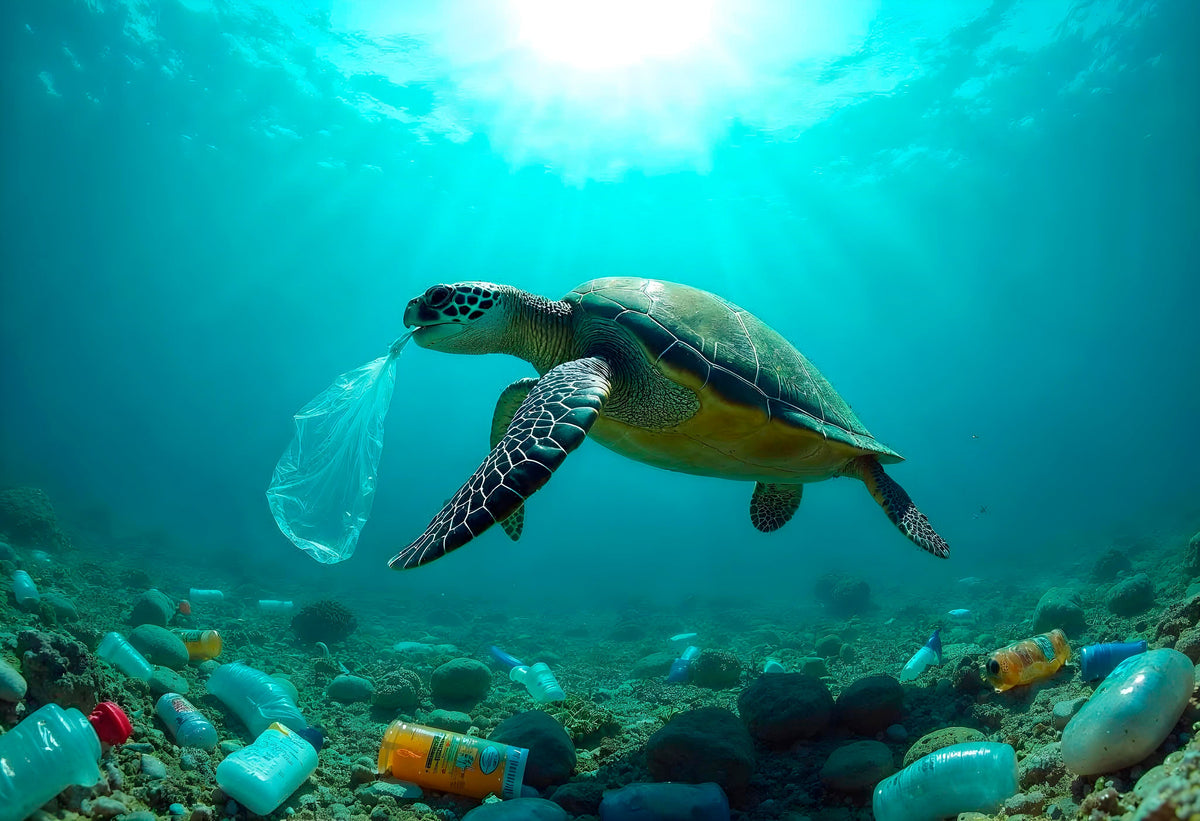
I'll be direct: this directive works in our favor. Since launching Singulaar, a big chunk of my energy has gone into explaining why a €180 pair is worth more than a €40 pair that also calls itself "responsible." The word costs nothing to write. LWG Gold certification on the leather, traceability back to the Italian tannery, a measurable commitment on ocean plastic removed per pair sold — that costs time, money, and audits. For years, both approaches got slapped with the exact same magic word in front of the same customer. This directive shifts the ground back toward whoever can actually back up their claims.
But I'm not going to play the righteous card cheaply either. This law also forces me to go back and check every single line on our own product pages and site. "1 kg less plastic in the ocean" per pair sold: is that measured, documented, traceable end to end? It has to be. If even one line of ours leans more on good intentions than on proof, it needs rewording or removing before September 27 — not because an inspector is about to knock on our door, but because the whole point of what we're building falls apart the moment we don't hold ourselves to the same standard we're demanding from everyone else.
What this means for you as a buyer
From late September on, watch for one thing in particular: brands that suddenly stop using the word "eco" overnight, without ever having communicated any detail behind it in the first place. That sudden silence often says more than any ad ever did. Conversely, a brand that keeps making environmental claims after September 27 should, in theory, be able to show you the evidence behind them — a figure, a certification, a method. Ask for it. An honest brand has no reason to hide it.
This directive alone won't fix the industry's underlying problem — overproduction stays overproduction, with or without the word "eco" stuck on top. But it removes a tool of confusion that, for years, let the same thing get sold under two different labels.
News source: QuiFinanza


Leave a comment
All comments are moderated before being published.
This site is protected by hCaptcha and the hCaptcha Privacy Policy and Terms of Service apply.