On September 3rd, Chinese Commerce Ministry spokeswoman Huang Ling demanded that France "immediately halt" its new anti-ultra-fast-fashion law. Beijing called itself "strongly dissatisfied," accused France of violating WTO non-discrimination rules, and warned that "France will bear all consequences" if it keeps going. Unspecified retaliation is reportedly on the table.
A law about the labels on cheap tracksuits triggering a diplomatic incident. That's worth sitting with for a minute.
What the law actually does
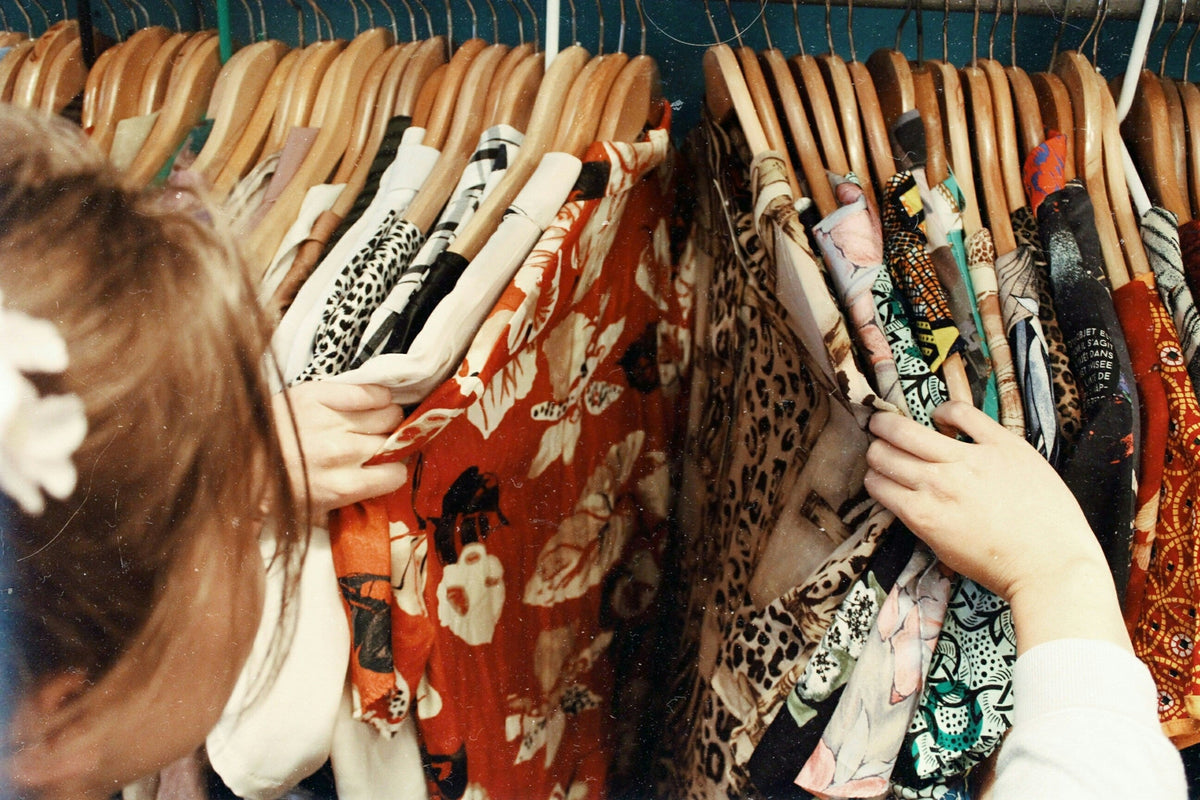
Since September 3rd, every ultra-fast-fashion item sold in France carries a penalty: between €0.25 and €12 this year, rising to €20 per item by 2030. It doesn't name China. It targets a business model, defined by objective criteria — how fast a catalogue turns over, how many new references drop per day, whether repair is ever encouraged. The platforms it hits hardest just happen to be Shein, Temu, and AliExpress.
The fact that the reaction came exclusively, and this forcefully, from Beijing tells you exactly who has the most to lose from that model.
Why it stings this much
The timing isn't a coincidence. This law lands right as Shein attempts a Hong Kong listing, after two failed tries in London and New York, both sunk by questions over its supply chain. A French fee of a few euros per item won't sink Shein on its own. But it strikes at a model that only works because every link in the chain — cotton, dyeing, stitching, shipping, free returns — gets priced at its cheapest possible cost, never its real one.
I ran a manufacturing company in the consumer electronics industry for years. I know exactly what it means, on a production sheet, to shave 30 cents off a single component. I also know how invisible that saving becomes to the end customer — they never see the line item, only the price tag. Fast fashion built an entire business on that invisibility. A law that forces even a fraction of the real cost back into the sticker price goes straight after the model's only actual competitive edge: a price that was never honest to begin with.
The part I won't paper over
I'm not going to pretend this law is perfect. A penalty of a few euros isn't going to turn a €4 t-shirt into a responsible product, and there's a real debate to be had about who actually absorbs that fee — the Chinese retailer, or the French shopper who bought that t-shirt precisely because they couldn't afford the €30 one. France doesn't have a clean answer to that second question yet, and its own finance ministry knows it.
But China's counter-argument — that this is protectionism dressed up as environmentalism — deserves to be looked at rather than dismissed. If an environmental rule ends up only protecting a domestic industry without changing anything about actual practices, it hasn't solved a thing. It's just moved the same problem to a different low-cost supplier. The real question isn't whether China is right to be upset. It's whether this law changes how these platforms operate, or just changes their passport.
What it actually changes for a brand like ours
We don't make sneakers in Cologne because a law forces us to. We make them there because it's the only kind of manufacturing we're able to look in the eye. But a law that finally forces a price tag to be compared against a real cost is a shift in the playing field we've been waiting for — not to feel virtuous about it, but because up to now, comparing a €25 pair to a €180 pair was never really a comparison on equal terms.
One question stays open, and I won't pretend to settle it here: is a fee of a few euros enough to rebalance a market built on decades of unpaid externalities? I doubt it. But this is the first time a European government has put an actual number on it instead of a speech.


Leave a comment
All comments are moderated before being published.
This site is protected by hCaptcha and the hCaptcha Privacy Policy and Terms of Service apply.