
Back in 2013, at Panasonic, I watched a product's lifecycle shrink from three years to eight months. Not because the technology had moved that fast. Because marketing decided a shorter cycle sold better. Nobody in that meeting called it planned obsolescence. They called it "refreshing the product portfolio."
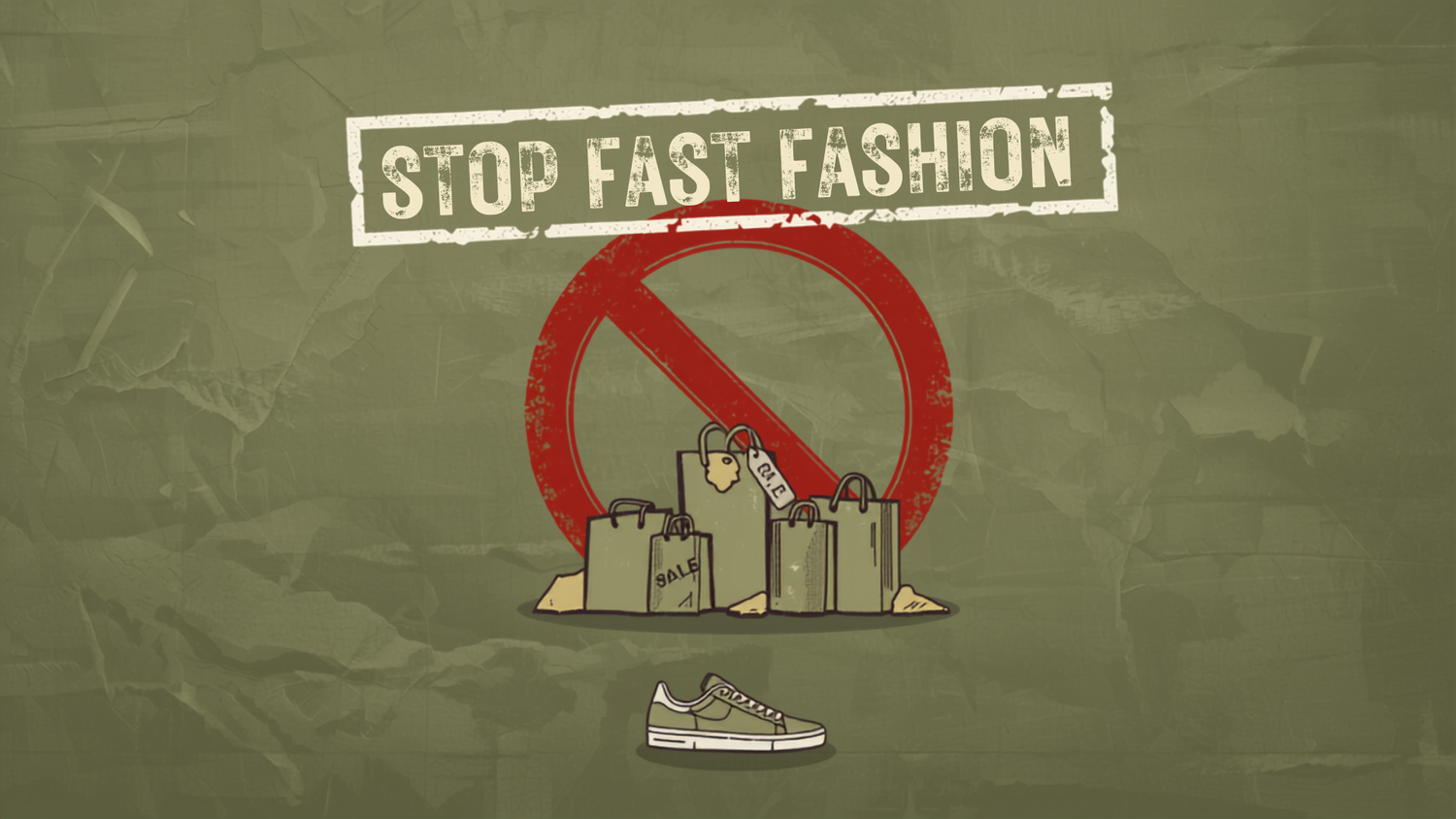
I thought about that meeting again while reading through France's law n°2026-602, signed into force on July 8th. It targets ultra fast fashion specifically — Shein, Temu, and the whole model of thousands of new styles dropped every week. Financial penalties per garment placed on the market, a ban on influencers promoting these practices, tighter environmental labeling requirements. It's a serious, detailed piece of legislation, and parts of the French textile industry had been asking for it for years [source: Légifrance, law n°2026-602 of July 8, 2026].
It's a good law. I'm not going to pretend otherwise just to build a cheap contrarian angle.
But a law that punishes the worst is not the same thing as a law that builds the better. And that's exactly where this text, well-drafted as it is, stops.
What the law does — and what it doesn't
What it does: it makes selling anything, any way, more expensive. A €4 t-shirt built for eight washes gets a little less profitable to produce and to push. That's a price signal that makes sense — textiles remain one of the most polluting industries on the planet, and ultra fast fashion is its most extreme version.
What it doesn't do: it doesn't tell anyone where to put their €30 instead of that €4 t-shirt. It cleans up a market. It doesn't repopulate it. The law firm Gossement Avocats, which broke the text down in detail, points to real uncertainty around how it will interact with EU law — France is moving alone on a market where the competition is largely outside Europe anyway [source: Gossement Avocats, analysis of law n°2026-602].
That leaves one plain, slightly uncomfortable fact: whatever gap Shein and Temu leave behind — if they leave one — won't be filled by a decree. It'll be filled by whatever brands like mine manage to make desirable, available, and not financially out of reach by the time that gap opens up.
What nine years running a factory floor taught me
For nine years, I ran operations for a sixty-person audio manufacturer. We made speakers. A good component costs more than a cheap one — everyone knows that part. What fewer people know, because it never shows up on a spec sheet, is how easily the good one gets quietly swapped for the cheap one, and how long it takes a customer to notice.
Fast fashion runs on exactly that kind of invisibility. A law can tax the €4 t-shirt. It can't force a brand to show where its leather comes from, who tanned it, or why a sole holds up for eight years instead of eight months. That's a choice a brand makes or doesn't — and one it has to prove, not just claim.
At Singulaar, the leather comes from an Italian tannery certified LWG Gold — the highest standard the industry has for how leather gets treated. That's not free. A pair of Singulaar sneakers costs more than a fast fashion pair, and I'm not going to dress that up. It costs more because it's built to last, not because we're charging extra for a green label.
What this law should remind brands like mine
I've already seen competitors congratulating themselves publicly, as if this law somehow validated their own model by default. That's a comfortable shortcut. The law doesn't reward sustainable brands — it only penalizes the worst practices of a competing model. That's not the same thing as having earned a customer's trust.
The real question this law should raise for every brand like mine isn't "are we glad Shein got taxed?" It's: "could we justify every euro we charge, line by line, if someone asked us to, in public?" At Singulaar, I can answer that question. A lot of brands calling themselves sustainable still can't — and this law won't force that answer out of them.
Where this leaves us
I don't yet know exactly how this law will play out in practice — not every implementing decree is published, and its relationship to EU law is, as the lawyers note, still largely unsettled. What I do know is that we can't afford to wait for a regulation to do the job only a real alternative can do: make people want to buy better, not just ban them from buying worse.
Next time someone asks me why a pair of Singulaar sneakers costs what it costs, I'm not going to answer with the July law. I'm going to answer with the tannery, with the eight-year sole, with that 2013 meeting at Panasonic and the word "refresh" I still haven't forgotten.


Leave a comment
All comments are moderated before being published.
This site is protected by hCaptcha and the hCaptcha Privacy Policy and Terms of Service apply.