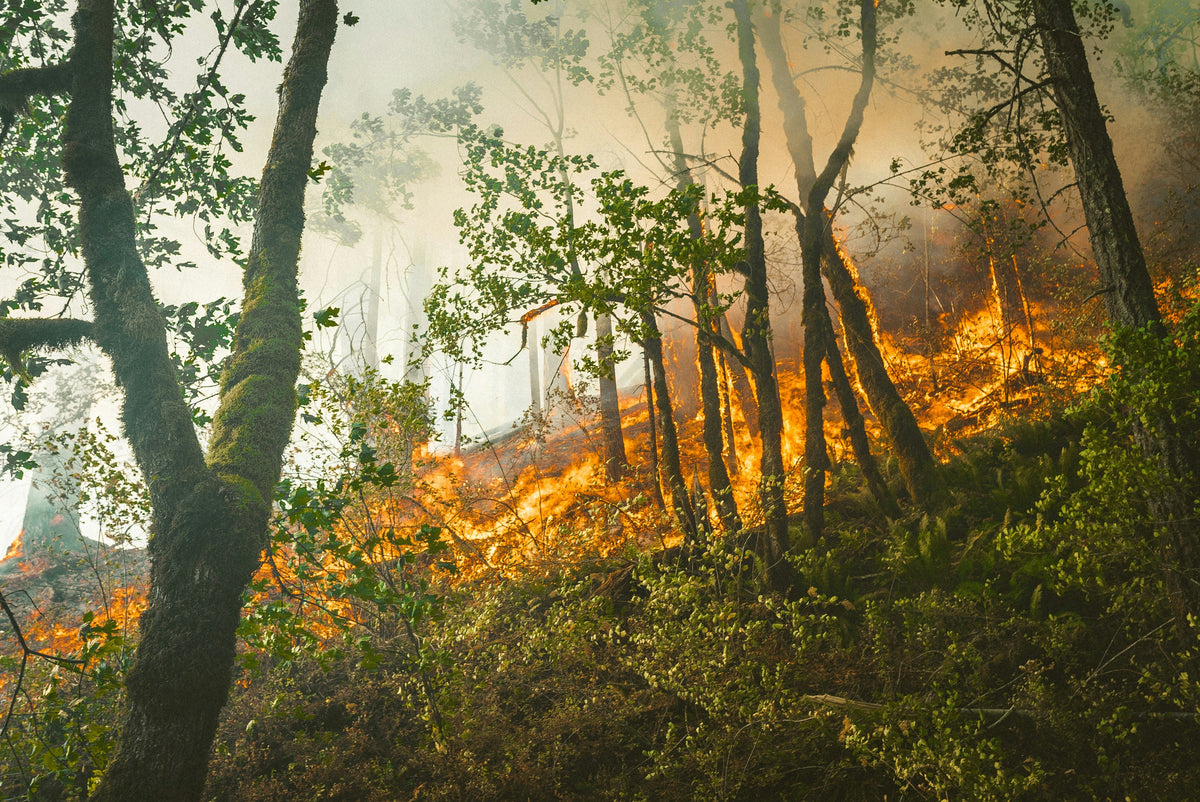
This summer, I stopped running at 7am. Normally, in the Rhineland, that's the hour when the air is still cool enough to get through ten kilometers without thinking about it. This year, it was already 26°C some mornings in July. I pushed my runs to 6am, then gave up entirely for two full weeks in August. That's not a weather anecdote. According to the report Météo-France published on September 3, summer 2026 was the hottest ever recorded in the country — 3.6°C above seasonal norms, worse than 2003 (+2.7°C) and 2022 (+2.3°C), the two summers we used to cite as absolute records.
The detail that stuck with me most: 53 heatwave days, compared to 33 in 2022. Nine out of ten regions hit 35°C at least once. Nearly half the country reached 40°C. And it was the second-driest summer since 1959, with a 40% rainfall deficit — the driest August ever measured. The scientists quoted in the report are unambiguous: heat at this level would have been nearly impossible without human-driven climate change.
The pace that didn't change
During those 53 days, I got — like anyone with a reasonably leaky inbox — dozens of promotional emails for new collections. Brands launching a "summer capsule" on a Tuesday and another one the following Friday. That pace didn't slow down for a single day this summer. If anything, it sped up, because heat pushes people to buy lighter clothes more often, and some retailers clearly saw the heatwave as a sales opportunity rather than a signal worth questioning.
I'm not saying this from the comfort of someone who's never had to move inventory. I spent years running operations at a consumer electronics company where every week a collection slipped meant lost revenue. I know what that calendar pressure feels like. But at some point, the gap between what we're measuring outside and what we keep producing inside becomes hard to look past.
What leather and plastic have to do with 40°C
A pair of synthetic sneakers, made cheap to last one season, rarely pays back its carbon footprint in less than two or three years of use — and most of them never make it that far. Every weekly collection drop isn't just a marketing excess. It's a production, shipping, and disposal chain running at a pace the planet can no longer absorb without it showing up on a thermometer somewhere.
We're not going to pretend that a pair of LWG Gold leather sneakers made in Cologne balances that equation on its own. Leather has a real environmental cost, and we don't hide it — that's exactly why we chose a certified tannery instead of the cheapest one, and why we commit to one kilogram of plastic removed from the ocean per pair sold instead of a vague "positive impact" claim. A pair built to last years instead of a season doesn't fix the climate. It just steps out of the cycle that's making it worse.
What we're choosing to do with this number
I don't know what summer 2027 will look like. The scientists behind the Météo-France report seem to know a little too well — and what they describe isn't reassuring. What I do know is that my kids spent a good part of their summer holidays indoors, at hours when I'd have been outside playing at their age. That detail, more than any chart, is what reminds me why I left a stable job to build a sustainable sneaker brand instead of just another one.
53 days of heatwaves should be changing the pace of an entire industry. So far, it's only changed my running schedule.

Leave a comment
All comments are moderated before being published.
This site is protected by hCaptcha and the hCaptcha Privacy Policy and Terms of Service apply.